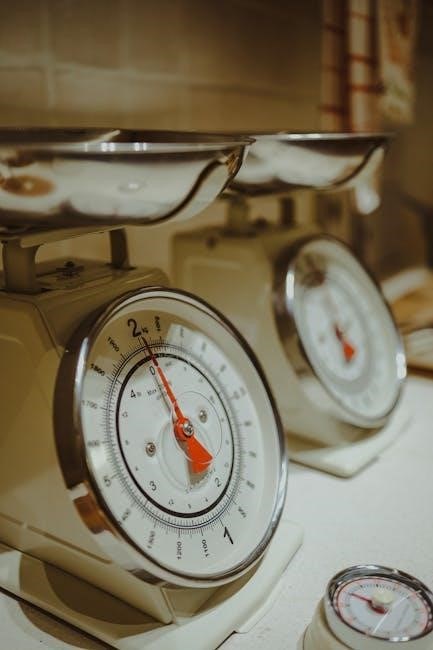
Taylor scales, renowned for precision, have a rich history spanning decades, offering both analog and digital models for diverse needs.
From vintage 330lb bath scales to modern 400lb digital options, and even compact 11lb kitchen scales like the 3842, Taylor consistently delivers.
Users occasionally encounter issues – glitching, inconsistent readings, or battery problems – but resources like online manuals and archives exist to aid troubleshooting.
Historical Overview of Taylor Precision Products
Taylor Precision Products boasts a legacy stretching back over a century, initially focused on manufacturing precise weighing instruments for industrial applications. Founded in 1851, the company quickly gained recognition for its accuracy and durability, expanding into household scales in the early 20th century. This transition catered to a growing demand for personal health monitoring, establishing Taylor as a household name.
The mid-century saw the rise of iconic analog bath scales, often featuring robust mechanical movements and distinctive styling. Later, Taylor embraced digital technology, introducing scales with LCD displays and increased precision, like the 400lb capacity models currently available. Throughout its evolution, Taylor has remained committed to quality, evidenced by the continued search for manuals and support for older models, including the popular 3842 kitchen scale, demonstrating enduring customer loyalty and product longevity.
The Significance of Taylor Scales in Weight Measurement
Taylor scales have historically played a crucial role in personal health management and dietary tracking. For generations, individuals have relied on Taylor’s accuracy to monitor weight, contributing to a greater awareness of overall well-being. The brand’s reputation for reliability fostered trust, making Taylor scales a staple in homes worldwide.
Even today, despite advancements in technology, the need for precise weight measurement remains paramount. Whether utilizing a vintage 330lb analog scale or a modern 400lb digital model, Taylor continues to provide consistent results. The availability of manuals, even for older units like the 3842 kitchen scale, underscores the brand’s commitment to supporting users and maintaining the integrity of weight measurements, vital for fitness and health-conscious lifestyles.

Types of Old Taylor Scales
Taylor produced diverse scales, including analog bath scales (up to 330lbs), digital body weight scales (400lbs capacity), and kitchen scales like model 3842.
Analog Bath Scales: Features and Characteristics
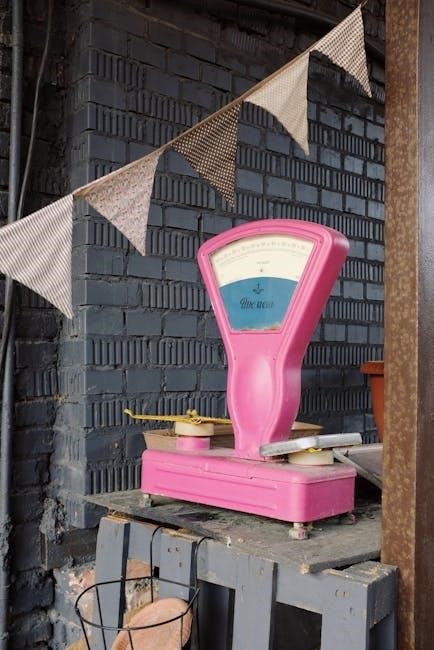
Taylor’s analog bath scales, often with a 330lb capacity, represent a classic approach to weight measurement. These scales typically feature a mechanical spring system and a circular or rectangular dial displaying weight in pounds. Their robust construction often meant longevity, but also susceptibility to wear and tear over time.
Key characteristics include a durable metal casing, a platform often covered in vinyl or a similar material, and a pointer that indicates weight against the calibrated dial. Unlike digital scales, they don’t require batteries, relying solely on mechanical operation. However, this also means they are prone to inaccuracies if the spring loses tension or the dial mechanism becomes damaged.
Finding original manuals for these older models can be challenging, but understanding their basic mechanics is crucial for potential repair or calibration. Regular use and proper handling were essential for maintaining accuracy, and careful inspection for physical damage is always recommended.
Digital Body Weight Scales: Evolution and Functionality
Taylor’s digital body weight scales marked a significant evolution, offering increased precision and convenience compared to their analog counterparts. Models boasting a 400lb capacity became increasingly common, featuring tempered glass platforms and clear LCD displays. These scales utilize load cells to convert weight into an electrical signal, providing a digital readout.
Functionality often includes auto on/off features, simplifying operation, and some models offer additional metrics beyond weight. However, they rely on battery power, and issues like battery depletion or corrosion are frequent concerns. Locating manuals for older digital Taylor scales can be difficult, but understanding the basic principles of load cell technology aids troubleshooting.
Erratic readings or glitching, as reported by users, often stem from battery problems or internal component failure. Proper care, including battery replacement and avoiding extreme temperatures, extends their lifespan.
Kitchen Scales: Models 3842 and Similar
Taylor’s kitchen scales, exemplified by the popular 3842 digital model, cater to precise ingredient measurement for baking, cooking, and meal preparation. These scales typically feature a glass top and LCD display, offering readings in both grams and ounces with an 11lb capacity. Their compact size makes them ideal for kitchen use.
The 3842 and similar models prioritize accuracy for portion control and recipe adherence. While generally reliable, users sometimes encounter issues with calibration or display malfunctions. Finding a specific manual for older models can prove challenging, but understanding the scale’s basic functionality – tare function, unit conversion – is key.
Regular cleaning and proper battery maintenance are crucial for optimal performance. These scales are designed for dry ingredients and should be protected from moisture.

Common Issues with Old Taylor Scales
Taylor scales can experience battery failures, inconsistent weight readings, and frustrating glitches, often requiring troubleshooting or referencing an old manual for solutions.
Battery Problems and Solutions
Taylor scales, particularly digital models, frequently encounter battery-related issues. A common symptom is an erratic display or complete failure to power on, even with newly installed batteries. First, ensure you’re using the correct battery type – most Taylor digital scales require AAA or AA batteries.
Corrosion within the battery compartment is a frequent culprit; carefully inspect and clean the contacts with a cotton swab dipped in rubbing alcohol. If the scale still malfunctions after a battery change and cleaning, try a different brand of batteries, as performance can vary. Some users report success with lithium batteries for improved longevity.
Consulting the scale’s manual (if available) will confirm the specific battery requirements and any troubleshooting steps recommended by Taylor. Remember to properly dispose of old batteries according to local regulations.
Inconsistent Readings and Calibration
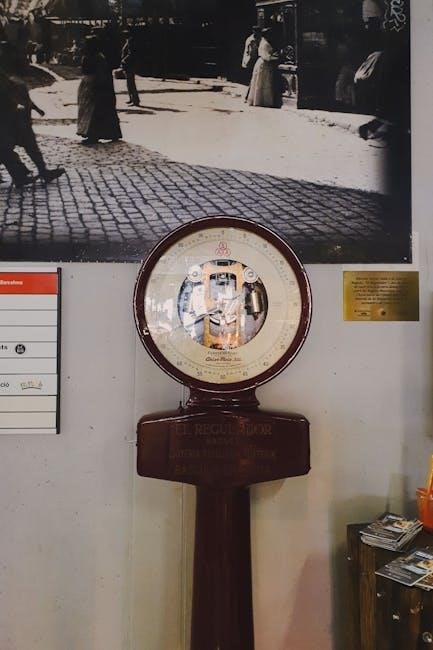
Taylor scales, especially older analog models, can exhibit inconsistent readings over time due to various factors. A common issue is the scale fluctuating or displaying different weights for the same object. Calibration is crucial for accurate measurements. For analog scales, a calibration knob is often present – consult your scale’s manual for specific instructions on adjusting it.
Digital Taylor scales may have a calibration function accessible through button combinations (refer to the manual). Ensure the scale is placed on a hard, level surface during calibration. Using known weights can aid in achieving accuracy. If calibration doesn’t resolve the issue, the load cells within digital scales might be damaged, requiring professional repair or replacement.
Regularly checking the scale’s accuracy against a known weight is recommended to maintain reliable results.
Scale Glitching and Erratic Behavior
Taylor scales, particularly older digital models, can sometimes display glitching or erratic behavior, such as rapidly changing numbers or displaying nonsensical readings. This often stems from low battery power, even if the battery indicator doesn’t immediately show it. Replacing the batteries with fresh ones is the first troubleshooting step.
If the problem persists, a static discharge or electrical interference could be the culprit. Try relocating the scale away from other electronic devices. A reset – often achieved by removing the batteries for a period – can sometimes resolve software glitches. Refer to your scale’s manual for specific reset instructions.
Reddit users have reported similar issues with Taylor scales, suggesting internal component failure may occur over time, potentially requiring repair or replacement.

Troubleshooting a Taylor Scale
Taylor scale issues often involve resetting digital models, calibrating analog versions, or inspecting load cells for digital scales; manuals provide guidance.
Resetting a Digital Taylor Scale
Digital Taylor scales sometimes exhibit erratic behavior, often resolved by a simple reset procedure. While specific steps vary by model, a common method involves removing the batteries for approximately one minute. This allows the scale’s internal memory to clear, effectively returning it to its factory default settings.
Upon re-inserting the batteries, the scale should power on and potentially display “0.0” or a similar initialization message. If the issue persists, consult your scale’s manual – readily available online through Taylor Precision Products’ website or third-party archives – for model-specific reset instructions. Some models may feature a dedicated reset button, often located on the underside of the scale.
Remember that resetting will erase any personalized settings, such as unit preferences (lbs vs. kg), so you may need to reconfigure these after the reset is complete. A reset is a valuable first step when encountering glitches or inaccurate readings.
Calibrating an Analog Taylor Scale
Analog Taylor scales, unlike their digital counterparts, require manual calibration to ensure accuracy. This process typically involves a small adjustment knob, often located on the scale’s underside or behind the faceplate. To calibrate, you’ll need a known weight – for example, a standard weight set or a precisely measured object.
Place the known weight on the scale and carefully turn the adjustment knob until the scale’s indicator aligns with the correct weight value. It’s crucial to perform this calibration on a hard, level surface to avoid inaccuracies. If the scale consistently reads high or low even after adjustment, the internal spring mechanism may be damaged, potentially requiring professional repair or replacement.
Refer to your specific model’s manual for detailed calibration instructions, as the knob’s location and adjustment sensitivity can vary. Regular calibration maintains the reliability of these classic scales.
Checking the Load Cells (Digital Scales)
Digital Taylor scales rely on load cells – sensors that convert weight into an electrical signal. Diagnosing load cell issues requires caution, as disassembly can be complex. A common symptom of failing load cells is inconsistent or erratic readings, even after battery replacement and resetting the scale.
Visually inspect the load cells (typically located at the scale’s corners) for any physical damage, such as cracks or corrosion. Gently apply pressure to each corner individually; if one corner consistently produces different readings, that load cell may be faulty.
Unfortunately, replacing load cells often requires specialized tools and knowledge. Unless you’re experienced with electronics repair, it’s generally recommended to consult a professional or consider replacing the entire scale. Always disconnect the power before any inspection.

Finding Manuals and Documentation
Taylor Precision Products’ website offers resources, while online archives and third-party sites host manuals for various models, aiding in scale identification and repair.
Taylor Precision Products Website Resources
Taylor Precision Products’ official website serves as a primary hub for locating documentation related to their scales, including older models. While a comprehensive archive of every manual isn’t always available directly, the site often provides access to current model instructions and frequently asked questions that can address common issues found in vintage scales as well.
Users can navigate the support section, utilizing model numbers – crucial for accurate identification – to search for relevant resources. If a specific manual isn’t listed, the website’s contact form allows direct communication with customer support, who may be able to provide assistance or direct you to alternative sources. Exploring the “Downloads” or “Resources” areas of the site is also recommended, as these sections sometimes contain supplemental information or troubleshooting guides applicable to a wider range of Taylor products.
Remember to have your scale’s model number handy when searching, as this significantly streamlines the process of finding the correct documentation.
Online Archives and Third-Party Manuals
When the Taylor Precision Products website lacks a specific manual for your vintage scale, numerous online archives and third-party resources can prove invaluable. Websites dedicated to vintage appliances and scales often host scanned copies of original manuals, offering a potential solution for locating instructions; Internet Archive and similar platforms are excellent starting points for broader searches.
Reddit communities, like r/intermittentfasting, sometimes feature discussions where users share links to manuals or offer advice on troubleshooting older Taylor scales. Be cautious when downloading files from unfamiliar sources, prioritizing reputable websites to avoid potential security risks. Searching using precise model numbers alongside terms like “manual,” “schematic,” or “instructions” will yield the most relevant results. Remember that the quality of scanned documents can vary, but they often provide crucial insights into operation and calibration.
Identifying Your Specific Taylor Scale Model
Locating the correct manual hinges on accurately identifying your Taylor scale’s model number. This number is typically found on a sticker or stamped directly onto the scale’s body, often on the underside or within the battery compartment. Look for a series of numbers and letters – for example, 3842 for a kitchen scale or a number indicating weight capacity like 330lbs for a bath scale.
Carefully examine all surfaces, as the label might be faded or partially obscured. If the original label is missing, detailed photographs of the scale’s features, including its design, display type (analog or digital), and any unique markings, can aid in online identification through forums or vintage appliance communities. Knowing the capacity (11lbs, 330lbs, 400lbs) narrows the search considerably. Accurate identification is crucial for accessing the correct troubleshooting steps and calibration procedures.

Scale Capacity and Accuracy
Taylor scales range from 11lb kitchen models to 400lb body weight versions; exceeding limits impacts accuracy, requiring proper surface placement for reliable readings.
Understanding Weight Limits (330 Lbs, 400 Lbs, 11 Lbs)
Taylor scales historically offered, and continue to produce, models with varying weight capacities tailored to specific applications. Vintage analog bath scales frequently featured a 330 lbs limit, designed for standard household use. Modern digital scales, like those available on Amazon, commonly boast a higher 400 lbs capacity, accommodating a wider range of users.
However, it’s crucial to adhere to these limits. Overloading a scale, regardless of its type, can compromise its accuracy and potentially damage internal components. The smaller 11 lbs capacity scales, such as the Taylor 3842 kitchen scale, are specifically engineered for precise measurements of food and ingredients, not for weighing people or heavier objects.
Always check the scale’s labeling or manual to confirm its maximum weight capacity before use. Ignoring these specifications can lead to inaccurate readings and a shortened lifespan for your Taylor scale.
Factors Affecting Scale Accuracy
Several factors can influence the accuracy of your Taylor scale, impacting reliable weight measurements. Uneven surfaces are a primary culprit; scales require a perfectly level and hard floor to function correctly. Carpeting or soft flooring introduces instability, leading to inconsistent readings; Temperature fluctuations can also affect digital scales, potentially causing calibration drift.
For analog scales, the internal spring mechanism can lose calibration over time, especially with frequent use or overloading. Digital scales rely on load cells, which can be sensitive to shock or impact. Battery levels in digital models also play a role; low batteries can cause erratic behavior and inaccurate displays, as noted by users experiencing glitches.
Regular calibration and proper placement are essential for maintaining accuracy. Refer to your scale’s manual for specific instructions.
Importance of Proper Surface for Scale Placement
Achieving accurate weight measurements with your Taylor scale hinges on proper surface placement. A hard, level floor is absolutely critical; avoid carpets, rugs, or uneven tiles. These surfaces introduce instability, causing fluctuations and inaccurate readings. The scale’s base must make full contact with a solid foundation to distribute weight evenly.
Even seemingly minor inclines can significantly skew results. Consider using a level to verify the floor’s flatness before placing the scale. Avoid positioning the scale near walls or furniture, as these can interfere with its operation. Digital scales, particularly those with load cells, are especially sensitive to surface variations.
Consult your scale’s manual for specific placement recommendations to ensure optimal performance and reliable data.
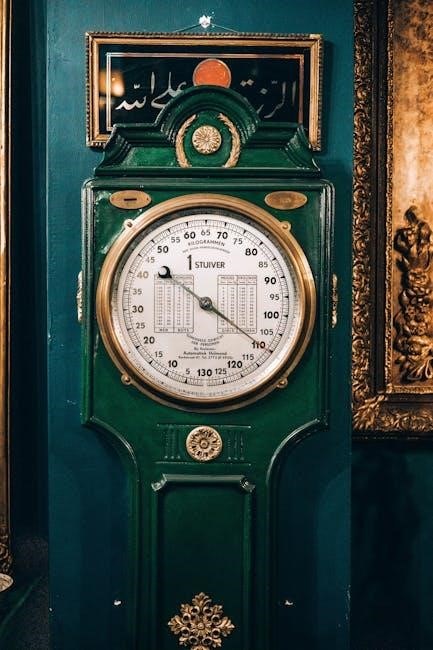
Scale Maintenance and Care
Taylor scales benefit from gentle cleaning with a damp cloth; avoid harsh chemicals. Proper storage in a dry place extends lifespan, preventing damage and ensuring accuracy;
Cleaning Procedures for Different Scale Types

Analog Bath Scales: Due to their construction, cleaning vintage Taylor analog bath scales requires a delicate approach. Avoid abrasive cleaners, as they can damage the finish. A slightly damp cloth, with mild soap if necessary, is ideal. Carefully wipe down the platform and casing, ensuring no moisture enters the internal mechanisms. Dry thoroughly with a soft towel to prevent rust or corrosion. Pay attention to crevices where dust and grime accumulate.
Digital Body Weight Scales: Taylor’s digital scales, often featuring glass platforms, are easier to clean. Use a glass cleaner specifically designed for electronics, or a damp cloth with a mild detergent. Avoid spraying liquid directly onto the scale; instead, apply it to the cloth. Wipe the platform and casing, then dry with a clean, dry cloth. Be cautious around the LCD screen.
Kitchen Scales (Model 3842 & Similar): For kitchen scales, especially after weighing sticky ingredients, immediate cleaning is crucial. Remove any detachable parts and wash them with warm, soapy water. Wipe the main unit with a damp cloth. Ensure all components are completely dry before reassembling and using the scale.
Storage Recommendations to Prevent Damage
Proper storage significantly extends the lifespan of your Taylor scale. For analog bath scales, choose a dry, climate-controlled environment, avoiding damp basements or humid bathrooms. Cover the scale with a cloth or plastic sheet to protect it from dust and scratches. Avoid stacking heavy items on top, as this can damage the delicate mechanisms.
Digital scales, while more robust, also benefit from careful storage. Remove batteries before long-term storage to prevent corrosion and potential damage to the electronic components. Store in a cool, dry place, away from direct sunlight and extreme temperatures. Protect the glass platform from impacts.
Kitchen scales, like the 3842, should be stored in a clean, dry cabinet or drawer. Avoid storing them near strong odors or chemicals, as these can affect the sensors. Ensure the scale is completely dry before storing to prevent mold or mildew growth.
Extending the Lifespan of Your Taylor Scale
Maximizing the longevity of your Taylor scale requires consistent, gentle care. Regularly clean the scale according to its type – a damp cloth for most surfaces, avoiding harsh chemicals. For analog scales, occasional light lubrication of moving parts (if accessible) can maintain smooth operation.
With digital scales, prioritize battery health; remove them for prolonged storage to prevent leakage. Avoid dropping or subjecting the scale to significant impacts, especially those with glass platforms. Address any inconsistencies in readings promptly, attempting calibration before seeking professional repair.
Remember, even a well-maintained scale has a lifespan. Following these practices, alongside referencing your scale’s manual (if available), will help ensure years of accurate and reliable weight measurements from your Taylor product, like the 3842 kitchen scale.